Esophageal Cancer

About Esophageal Cancer

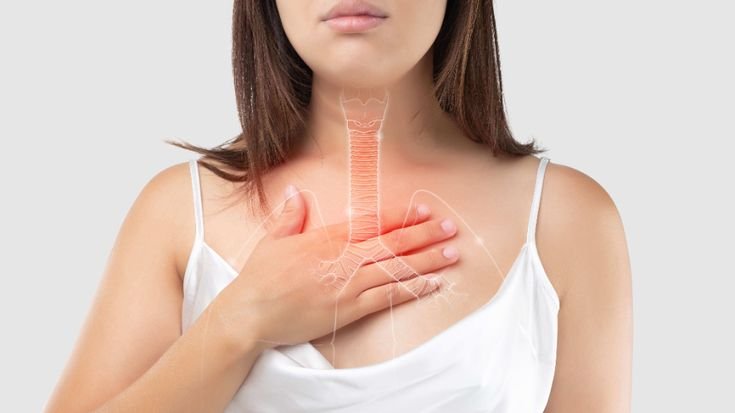
Esophageal cancer develops in the lining of the esophagus (food pipe)—the tube that connects the throat to the stomach. It commonly presents with difficulty in swallowing, unintentional weight loss, chest pain, or persistent cough. Risk factors include smoking, alcohol consumption, acid reflux, and Barrett’s esophagus. Early diagnosis is critical for effective treatment, which may include surgery, chemotherapy, or radiation. Dr. Surbhi offers expert, personalized care for managing esophageal cancer with advanced surgical techniques.

Risk Factors

Common Signs and Symptoms

Diagnosis of Esophageal Cancer

Diagnosing esophageal cancer involves a combination of clinical evaluation and diagnostic tests. Initial assessment includes a detailed history and physical examination. Diagnostic tools such as upper endoscopy (esophagogastroduodenoscopy) allow direct visualization of the esophagus and biopsy of suspicious lesions. Imaging studies like CT scan, PET-CT, and endoscopic ultrasound (EUS) help determine the cancer’s stage and extent of spread. These tests are crucial for planning appropriate treatment strategies. Early detection significantly improves outcomes, making timely evaluation essential for patients with persistent swallowing difficulties or other related symptoms.

Treatment Options for Esophageal Cancer

Esophageal cancer treatment depends on the stage, location, and overall health of the patient. A multidisciplinary approach ensures the best outcomes. Common treatment options include:

Surgery

Removal of the tumor or part of the esophagus (esophagectomy).

Radiation Therapy

Targets and destroys cancer cells with high-energy rays.

Chemotherapy

Uses drugs to kill or shrink cancer cells, often combined with radiation.

Targeted or Immunotherapy

For advanced stages, based on specific tumor marker

Lorem ipsum

What Customers Think About Us?

Make An Appointment

Call Now Button