Gastric Cancer

About Gastric Cancer

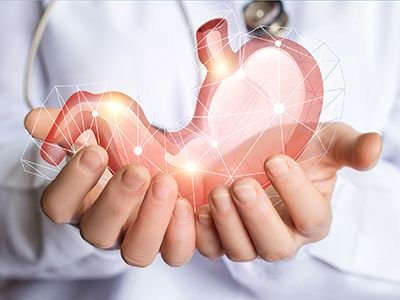
Gastric cancer, or stomach cancer, develops when abnormal cells grow in the stomach lining. Early signs include indigestion, stomach pain, nausea, and unexplained weight loss. Risk factors include Helicobacter pylori infection, smoking, and poor diet. Early diagnosis is essential for effective treatment, which may involve surgery, chemotherapy, or radiation. Expert care in Patparganj focuses on personalized treatment plans to improve outcomes and quality of life for patients battling gastric cancer.

Risk Factors

Common Signs and Symptoms

Gastric Cancer

Gastric cancer is evaluated through clinical assessment and advanced investigations. Patients with persistent abdominal pain, weight loss, nausea, vomiting, anemia, or early satiety require detailed medical history and examination. Upper endoscopy (esophagogastroduodenoscopy) helps visualize the stomach lining and allows biopsy of suspicious areas for confirmation. Imaging tests such as CT scan, PET-CT, and endoscopic ultrasound assess tumor spread and staging. Early detection and accurate evaluation are essential for effective treatment planning and improving overall survival outcomes.

Treatment Options for Gastric Cancer

The treatment of gastric cancer depends on the stage, location, and overall health of the patient. Common options include:

Surgery

Removal of the tumor or part of the stomach (subtotal or total gastrectomy).

Chemotherapy

Uses anti-cancer drugs to kill or shrink cancer cells, often before or after surgery.

Radiation Therapy

High-energy rays target and destroy cancer cells, often used with chemotherapy.

Targeted Therapy

Focuses on specific cancer cell markers for more precise treatment.

Make An Appointment

Call Now Button