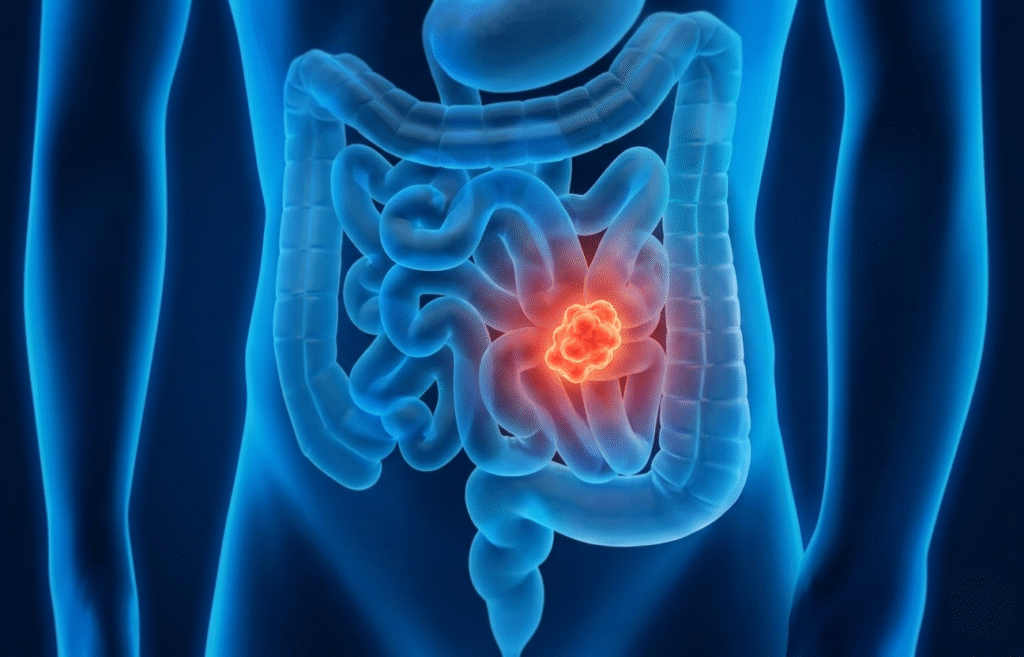

Small Bowel Cancer

About Small Bowel Cancer

Small bowel cancer is a rare type of cancer that occurs in the small intestine, which plays a vital role in digestion and nutrient absorption. Symptoms may include abdominal pain, unexplained weight loss, nausea, or blood in the stool. Risk factors include Crohn’s disease, celiac disease, genetic conditions, and a high-fat diet. Early diagnosis is crucial for effective treatment, which may include surgery, chemotherapy, or targeted therapy depending on the stage and type of the cancer.

Risk Factors

Common Signs and Symptoms

Diagnosis of Small Bowel Cancer

Diagnosing small bowel cancer involves a combination of clinical evaluation and diagnostic tests. Physicians start with a thorough medical history and physical examination. Imaging studies such as CT scans, MRI, or PET-CT help detect tumors and assess spread. Endoscopic procedures like capsule endoscopy or enteroscopy allow direct visualization of the small intestine and biopsy of abnormal tissues. In some cases, barium X-rays or double-balloon enteroscopy are used. Early and accurate diagnosis is essential for effective treatment and improved prognosis.

Treatment Options

Treatment for small bowel cancer depends on the type, stage, and overall health of the patient. Common options include:

Surgery

Primary treatment to remove the tumor and affected portion of the small intestine.

Chemotherapy

Uses drugs to destroy cancer cells, especially in advanced or metastatic cases.

Radiation Therapy

May be used to shrink tumors or relieve symptoms in select cases.

Targeted Therapy

Focuses on specific cancer cell mutations for more precise treatment.

Make An Appointment

Call Now Button