
Colon Cancer

About Colon Cancer

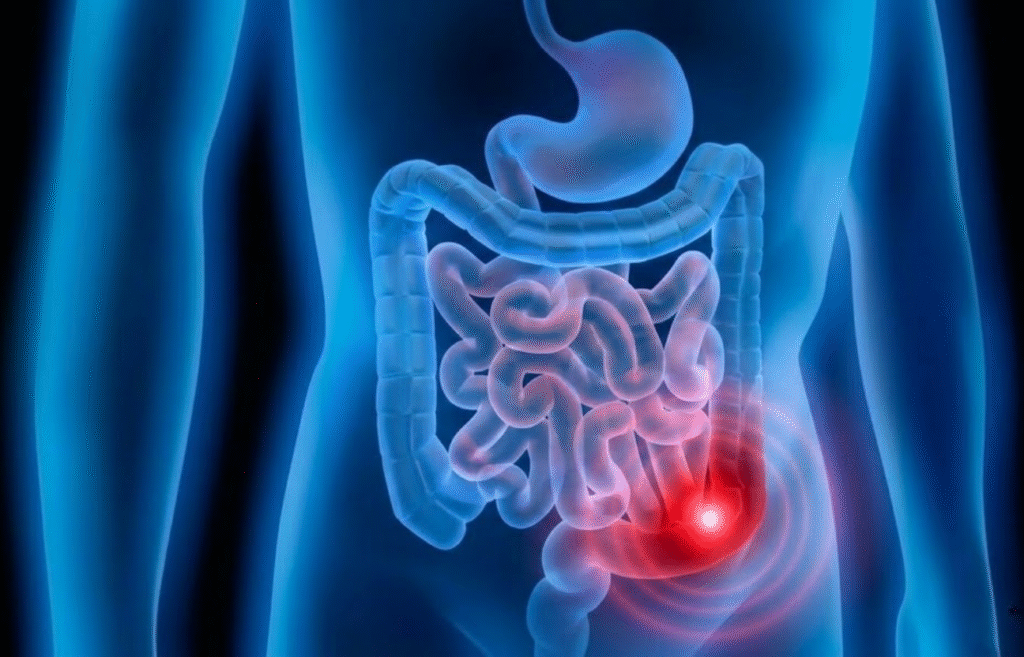
Colon cancer, also known as colorectal cancer, develops in the large intestine (colon) and often begins as small, benign growths called polyps. Over time, some polyps can become cancerous. Early symptoms may include changes in bowel habits, blood in the stool, abdominal discomfort, and unexplained weight loss. Risk factors include age, family history, poor diet, and inflammatory bowel disease. Early detection through screening, such as colonoscopy, significantly improves outcomes. Treatment typically involves surgery, chemotherapy, and sometimes targeted or immunotherapy.

Risk Factors

Common Signs and Symptoms

Diagnosis of Colon Cancer

Diagnosing colon cancer begins with a detailed medical history and physical examination. The most common and effective screening tool is a colonoscopy, which allows direct visualization and biopsy of suspicious growths or polyps. Other diagnostic tools include fecal occult blood tests (FOBT), CT colonography (virtual colonoscopy), and sigmoidoscopy. Imaging studies like CT scans or MRI help determine the stage and spread of the disease. Early detection is key to improving survival rates and guiding effective treatment strategies.

Treatment Options

Treatment for colon cancer depends on the stage of the disease, overall health, and tumor location. Common options include:

Surgery

Primary treatment to remove cancerous portions of the colon (colectomy).

Chemotherapy

Used after surgery or for advanced cancer to kill remaining cancer cells.

Radiation Therapy

Less common for colon cancer but may be used in certain cases, especially rectal cancer.

Targeted Therapy or Immunotherapy

For advanced or metastatic cancer based on specific genetic markers.

Make An Appointment

Call Now Button