
Appendix Cancer

About Esophageal Cancer

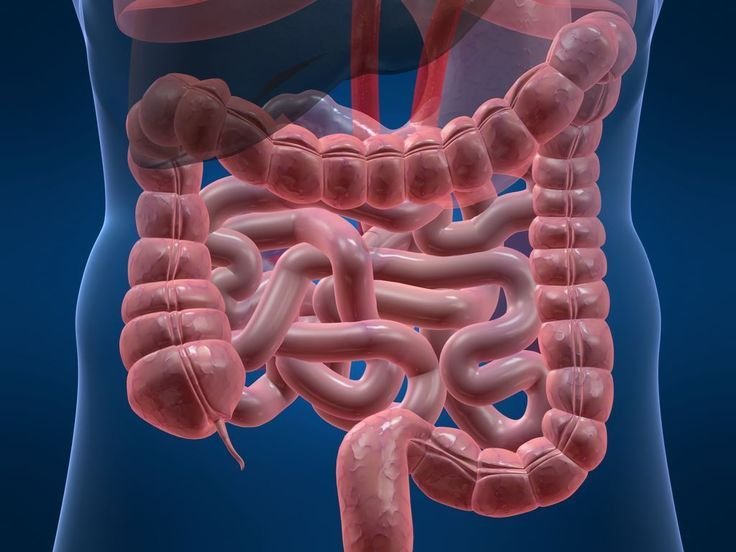
Appendix cancer is a rare type of cancer that begins in the cells lining the appendix, a small pouch attached to the large intestine. It may not cause symptoms in early stages but can present as abdominal pain, bloating, or appendicitis. Diagnosis is often incidental during surgery. Treatment typically involves surgery and may include chemotherapy depending on the type and stage of the cancer. Early detection improves outcomes.

Risk Factors

Common Signs and Symptoms

Diagnosis of Appendix Cancer

Diagnosis of appendix cancer typically begins with a physical examination and evaluation of symptoms. Imaging tests such as CT scans or MRI help detect tumors or abnormalities in the appendix area. Often, diagnosis occurs unexpectedly during surgery for suspected appendicitis. Biopsy and histopathological examination of removed tissue confirm the cancer type. Additional tests like blood work and tumor marker analysis assist in staging and treatment planning. Early diagnosis is important for effective management and improved outcomes.

Treatment Options

Treatment depends on the cancer type, stage, and overall health of the patient. Common options include:

Surgery

Removal of the appendix (appendectomy) and possibly surrounding tissues to remove the tumor.

Chemotherapy

Chemotherapy targets advanced appendix cancer cells to slow growth, relieve symptoms, and improve survival in metastatic cases.

Cytoreductive Surgery with HIPEC

A specialized surgery combined with heated chemotherapy applied directly in the abdomen for certain tumor types.

Targeted Therapy

For specific cancer subtypes based on molecular characteristics.

Make An Appointment

Call Now Button