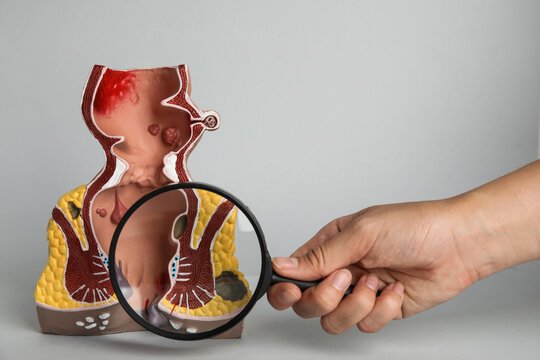

Anal Cancer

About Anal Cancer

Anal cancer is a rare cancer that forms in the tissues of the anus, the opening at the end of the rectum. It often develops from squamous cells lining the anal canal. Symptoms may include bleeding, pain, or lumps around the anus. Risk factors include HPV infection and smoking. Early diagnosis and treatment, which may involve surgery, radiation, and chemotherapy, are important for better outcomes and survival.

Risk Factors

Common Signs and Symptoms

Diagnosis of Anal Cancer

Diagnosis begins with a thorough medical history and physical examination, including a careful inspection and digital rectal exam. If a suspicious lesion is found, a biopsy is performed to confirm cancer. Additional tests such as anoscopy or endoscopy may be used to assess the extent of the tumor. Imaging studies like CT scans, MRI, or PET scans help determine if cancer has spread to lymph nodes or other organs, guiding treatment planning.

Treatment Options

Chemoradiation Therapy

A combination of chemotherapy and radiation is the primary treatment for most anal cancers.

Surgery

Reserved for cases where chemoradiation is not effective or if the cancer returns.

Targeted Therapy

Used in specific cases based on tumor markers or advanced disease.

Palliative Care

Focused on relieving symptoms and improving quality of life in advanced stages.

Make An Appointment

Call Now Button