
GIST

About Gastrointestinal Stromal Tumors (GIST)

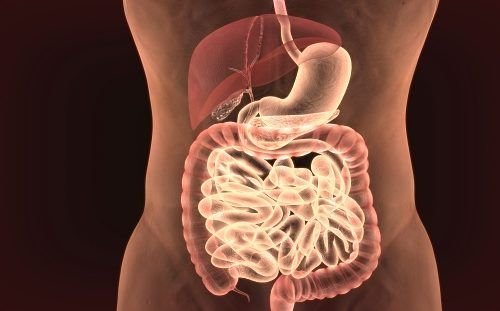
Gastrointestinal Stromal Tumors (GIST) are rare tumors that develop in the digestive tract, most commonly in the stomach or small intestine. They arise from specialized cells in the GI tract wall called interstitial cells of Cajal, which help coordinate muscle contractions. GISTs can be benign or malignant and may grow slowly or aggressively. Symptoms may be vague, including abdominal pain, bleeding, or a mass. Diagnosis and treatment often involve imaging, biopsy, surgery, and targeted therapy based on mutation analysis.

Risk Factors

Common Signs and Symptoms

Diagnosis of Gastrointestinal Stromal Tumors (GIST)

Diagnosis begins with a detailed medical history and physical examination. Imaging studies such as CT scans or MRI help locate and assess the size of the tumor. Endoscopy may be used to visualize tumors in the stomach or intestines. A biopsy is essential to confirm the diagnosis, often analyzed for specific markers like KIT (CD117) or DOG1 proteins. Genetic testing may be done to identify mutations guiding targeted therapy choices.

Treatment Options

Surgery

The primary treatment for localized GIST is surgical removal of the tumor.

Targeted Therapy

Medications like imatinib or sunitinib are used to treat unresectable, metastatic, or recurrent GIST by targeting specific gene mutations.

Adjuvant Therapy

Targeted drugs may be given after surgery to reduce the risk of recurrence.

Regular Monitoring

Follow-up imaging to detect any recurrence or progression.

Clinical Trials

Participation in experimental treatments may be an option for some patients.

Make An Appointment

Call Now Button