GERD

About GERD (Gastroesophageal Reflux Disease)

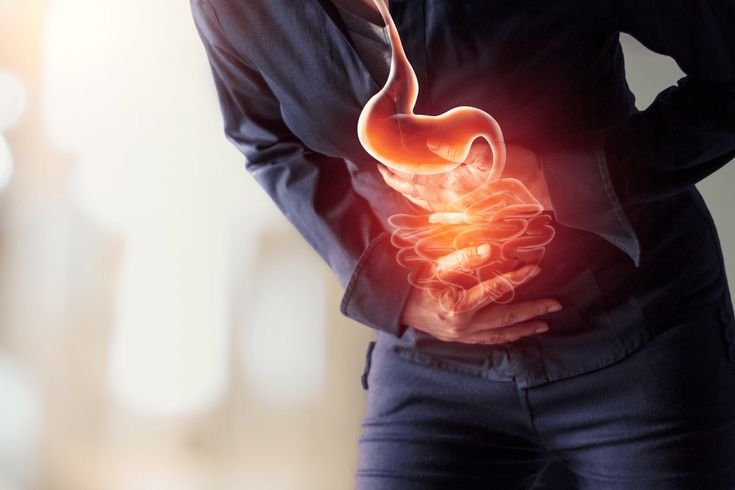
GERD is a chronic digestive disorder where stomach acid flows back into the esophagus, leading to irritation and discomfort. This condition commonly results in symptoms such as heartburn, regurgitation, and chest pain. GERD occurs due to a weakened or malfunctioning lower esophageal sphincter. If left untreated, it can cause complications like esophagitis, strictures, or Barrett’s esophagus, requiring long-term lifestyle changes or medical management.

Risk Factors

Common Signs and Symptoms

Diagnosis of Esophageal Cancer

GERD is typically diagnosed based on a patient’s symptoms and medical history. To confirm the condition or assess its severity, doctors may recommend the following tests:

  • Upper Endoscopy – Allows direct visualization of the esophagus and checking for inflammation or damage.

  • pH Monitoring – Measures acid levels in the esophagus over 24 hours.

  • Esophageal Manometry – Evaluates the strength and coordination of esophageal muscles.

  • Barium Swallow X-ray – Detects abnormalities like strictures or hiatal hernia.

Treatment Options

Lifestyle Modifications

Weight loss, avoiding trigger foods (spicy, fatty, caffeine), eating smaller meals, and not lying down after eating.

Medications

Antacids, H2 blockers, and proton pump inhibitors (PPIs) to reduce stomach acid.

Endoscopic Procedures

Minimally invasive techniques to strengthen the lower esophageal sphincter.

Surgery (Fundoplication)

Reserved for severe cases; reinforces the valve between the esophagus and stomach.

Make An Appointment

Call Now Button