Corrosive injury to esophagus and Stomach

About Corrosive Injury to Esophagus and Stomach

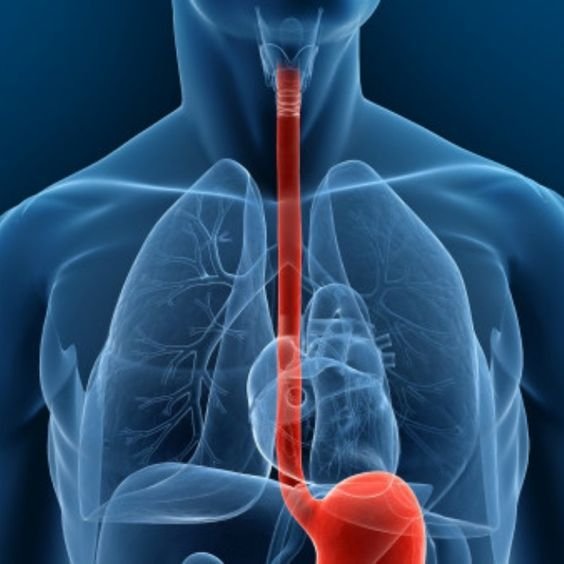
Corrosive injury to the esophagus and stomach occurs when a person ingests acidic or alkaline substances, often accidentally or in self-harm attempts. These substances can cause severe burns, leading to inflammation, ulceration, and scarring of the gastrointestinal tract. Symptoms may include intense pain, vomiting, and difficulty swallowing. Long-term complications can involve strictures or even an increased risk of cancer. Immediate medical attention and evaluation are critical.

Risk Factors

Common Signs and Symptoms

Diagnosis of Corrosive Injury to Esophagus and Stomach

Diagnosis begins with a detailed history of ingestion, including the type and amount of corrosive substance consumed. A thorough physical examination is followed by endoscopy within the first 12–24 hours, which is the gold standard to assess the extent and severity of mucosal damage. Imaging tests such as chest and abdominal X-rays or CT scans are done to detect perforation or complications. Blood tests may be used to evaluate overall systemic impact.

Treatment Options

Initial Stabilization

Ensure airway protection, intravenous fluids, and pain management.

Avoid Inducing Vomiting

Never induce vomiting or insert nasogastric tubes blindly.

Endoscopic Evaluation

Guides further management based on injury grade.

Medications

 Proton pump inhibitors (PPIs), antibiotics (if infection is suspected), and corticosteroids in selected cases.

Make An Appointment

Call Now Button