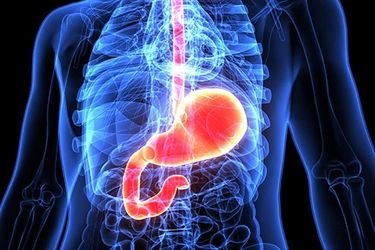

Crohn’s disease is a chronic inflammatory bowel condition that can affect any part of the digestive tract, causing inflammation, ulcers, and damage. Symptoms include abdominal pain, diarrhea, weight loss, and fatigue. The exact cause is unknown but involves immune system dysfunction and genetic factors. It requires lifelong management to control inflammation, prevent complications, and improve quality of life through medication, lifestyle changes, and sometimes surgery.
- +91 - 9997385076
- drsurbhigioncosurgeon@gmail.com
- Max Superspeciality hospital, patparganj
- drsurbhigioncosurgeon@gmail.com
- +91- 9997385076