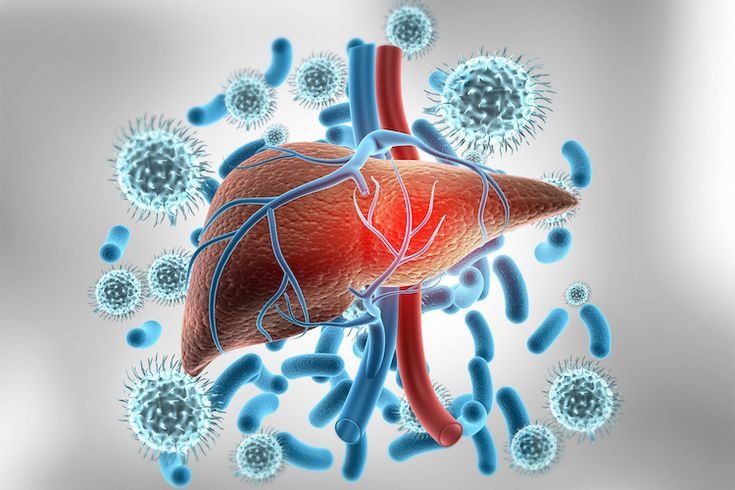

Liver Cancer (HCC)

About Liver Cancer (HCC)

Liver cancer, specifically hepatocellular carcinoma (HCC), is the most common type of primary liver cancer. It typically arises in individuals with chronic liver diseases such as hepatitis B, hepatitis C, or cirrhosis. HCC may not cause symptoms in early stages, making routine screening vital for high-risk individuals. Treatment options include surgery, liver transplant, ablation, targeted therapy, or immunotherapy, depending on the cancer’s stage and liver function.

Risk Factors

Common Signs and Symptoms

Diagnosis of Esophageal Cancer

Diagnosis of hepatocellular carcinoma (HCC) involves a combination of imaging studies and laboratory tests. Ultrasound is often the first step, followed by advanced imaging like CT scans or MRI to assess tumor size and spread. Blood tests, especially for alpha-fetoprotein (AFP), can support the diagnosis. In certain cases, a liver biopsy may be performed to confirm cancer. Regular screening is recommended for high-risk individuals with chronic liver disease.

Treatment Options for Esophageal Cancer

Esophageal cancer treatment depends on the stage, location, and overall health of the patient. A multidisciplinary approach ensures the best outcomes. Common treatment options include:

Surgery

Surgical resection or liver transplant is the best option for early-stage liver cancer with good liver function.

Ablation Therapy

Techniques like radiofrequency ablation (RFA) or microwave ablation destroy cancer cells using heat.

Targeted Therapy and Immunotherapy

Drugs like sorafenib or immunotherapy agents are used for advanced or inoperable cases.

Transarterial Chemoembolization (TACE)

A localized treatment that delivers chemotherapy directly to the tumor while blocking its blood supply.

Make An Appointment

Call Now Button