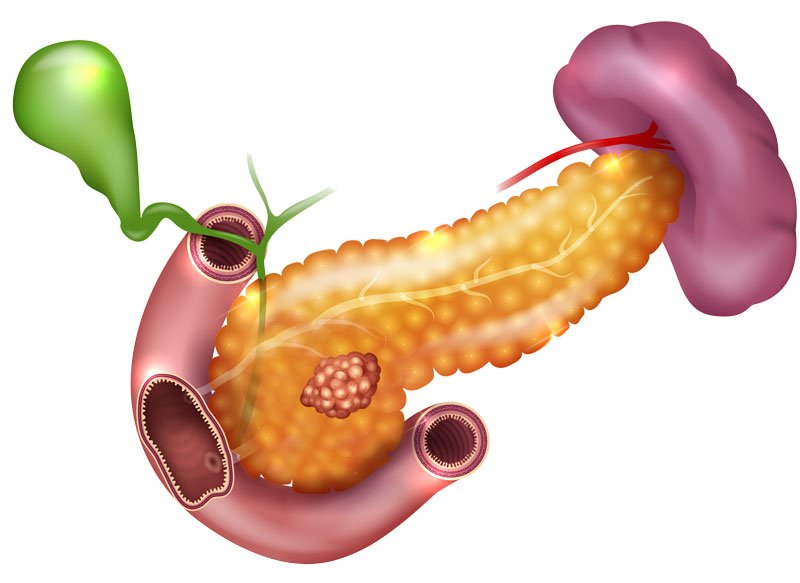

Pancreatic Cancer

About Pancreatic Cancer

Pancreatic cancer develops in the tissues of the pancreas, an essential organ involved in digestion and blood sugar regulation. It is often diagnosed at an advanced stage due to its subtle early symptoms. The most common type is pancreatic adenocarcinoma. Treatment may include surgery, chemotherapy, radiation, or targeted therapy. Early detection is challenging, but ongoing research is improving outcomes and providing new hope for affected individuals.

Risk Factors

Common Signs and Symptoms

Diagnosis of Pancreatic Cancer

Diagnosing pancreatic cancer involves a combination of imaging studies, blood tests, and tissue sampling. CT scan and MRI are commonly used to detect tumors and assess their spread. Endoscopic ultrasound (EUS) provides detailed images and allows for fine-needle aspiration for biopsy. Tumor markers like CA 19-9 can support diagnosis and monitor treatment response. In some cases, ERCP (Endoscopic Retrograde Cholangiopancreatography) is used to evaluate the bile and pancreatic ducts.

Treatment Options

Surgery

Procedures like Whipple surgery (pancreaticoduodenectomy) are done for resectable tumors.

Chemotherapy

Used before or after surgery, or as the main treatment for advanced cancer.

Radiation Therapy

Often combined with chemotherapy to shrink tumors or relieve symptoms.

Targeted Therapy and Immunotherapy

Applied in specific cases with genetic mutations or markers for personalized care.

Make An Appointment

Call Now Button