
Inguinal Hernia-Laparoscopic TAPP and TEP

About Inguinal Hernia – Laparoscopic TAPP and TEP

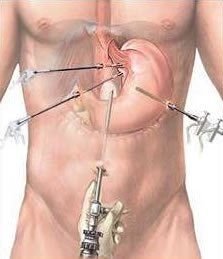
Inguinal hernia occurs when abdominal contents protrude through the inguinal canal. Laparoscopic techniques like TAPP (Transabdominal Preperitoneal) and TEP (Totally Extraperitoneal) are minimally invasive methods for hernia repair. Both involve placing a mesh to reinforce the abdominal wall. TAPP enters the abdominal cavity, while TEP avoids it. These procedures offer faster recovery, less post-operative pain, and lower recurrence compared to open surgery.

Risk Factors

Common Signs and Symptoms

Diagnosis of Inguinal Hernia – Laparoscopic TAPP and TEP:

The diagnosis of an inguinal hernia begins with a clinical examination where a doctor looks for a bulge in the groin area, which becomes more prominent when coughing or straining. If the diagnosis is uncertain, imaging tests like ultrasound are used for confirmation. In more complex or recurrent cases, CT or MRI scans may be required. Diagnostic laparoscopy may also be performed to visualize the hernia directly before proceeding with laparoscopic repair such as TAPP (Transabdominal Preperitoneal) or TEP (Totally Extraperitoneal) techniques.

Treatment Options

Esophageal cancer treatment depends on the stage, location, and overall health of the patient. A multidisciplinary approach ensures the best outcomes. Common treatment options include:

TAPP Repair

Mesh placed via the abdominal cavity.

TEP Repair

Mesh placed without entering the abdominal cavity.

Mesh Reinforcement

Strengthens the hernia site.

Quick Recovery

Less pain, minimal scars, faster healing.

Make An Appointment

Call Now Button