
Incisional Hernia

About Incisional Hernia

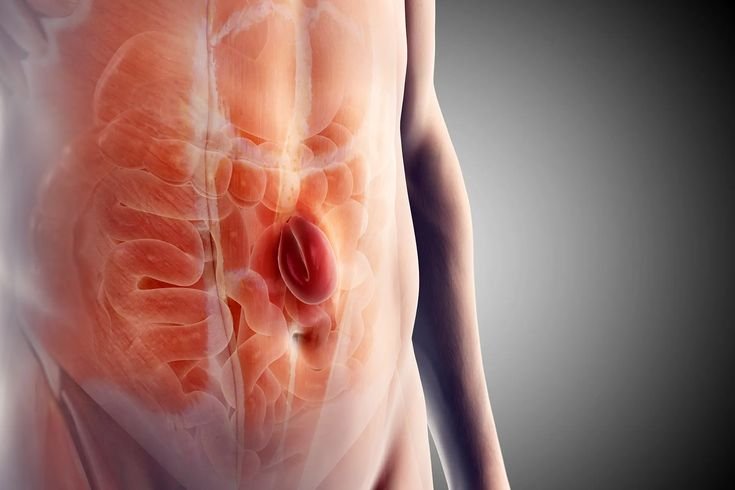
Incisional hernia occurs when tissue pushes through a weak spot at a previous surgical incision site in the abdominal wall. It often develops months or years after surgery due to incomplete healing or strain. Symptoms include a visible bulge, discomfort, or pain near the scar. Risk factors include obesity, infection, or heavy lifting. Early diagnosis and treatment are essential to prevent complications like bowel obstruction or strangulation.

Risk Factors

Common Signs and Symptoms

Diagnosis of Incisional Hernia

Diagnosis of incisional hernia begins with a detailed medical history and physical examination, focusing on the presence of a bulge or swelling near a previous surgical scar. Imaging tests like ultrasound, CT scan, or MRI are often used to confirm the hernia, assess its size, and evaluate any involvement of abdominal organs. These diagnostic tools help guide the best treatment approach for the patient.

Treatment Options

Watchful waiting

 For small, asymptomatic hernias without complications.

Surgical repair

The primary treatment, often using mesh to reinforce the abdominal wall.

Laparoscopic surgery

Minimally invasive approach with quicker recovery.

Lifestyle modifications

Weight management and avoiding heavy lifting to prevent worsening.

Make An Appointment

Call Now Button