
Hiatus Hernia

About Hiatus Hernia

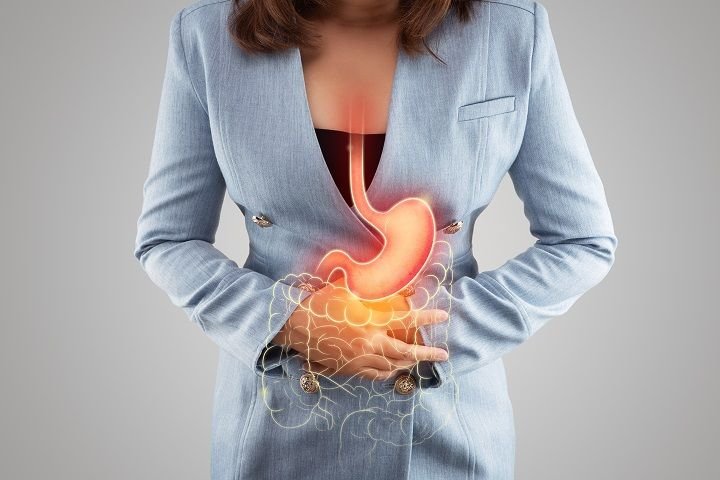
Hiatus hernia occurs when part of the stomach pushes up through the diaphragm into the chest cavity. This condition can cause acid reflux, heartburn, and chest discomfort. It is more common in people over 50 and those who are overweight. Factors like heavy lifting, persistent coughing, or pregnancy can increase the risk. Diagnosis often involves imaging tests, and treatment ranges from lifestyle changes to medication or surgery in severe cases.

Risk Factors

Common Signs and Symptoms

Diagnosis of Hiatus Hernia

Diagnosis of hiatus hernia typically involves a combination of clinical evaluation and diagnostic tests. Initially, a doctor reviews symptoms and medical history. Imaging studies like a barium swallow X-ray help visualize the stomach’s position relative to the diaphragm. Upper endoscopy (esophagogastroduodenoscopy) allows direct observation of the esophagus and stomach for hernia presence and related complications. Esophageal manometry may be used to assess the function of the esophageal muscles and lower esophageal sphincter. These tests confirm diagnosis and guide treatment.

Treatment Options

Lifestyle Modifications

Dietary changes, weight loss, avoiding large meals, and elevating the head during sleep to reduce reflux symptoms.

Medications

Use of antacids, H2 blockers, or proton pump inhibitors (PPIs) to control acid reflux and heartburn.

Endoscopic Procedures

Minimally invasive methods to improve the function of the lower esophageal sphincter.

Surgery

In severe cases, procedures like Nissen fundoplication are performed to repair the hernia and prevent reflux.

Make An Appointment

Call Now Button