
Bile Duct Cancer

About Esophageal Cancer

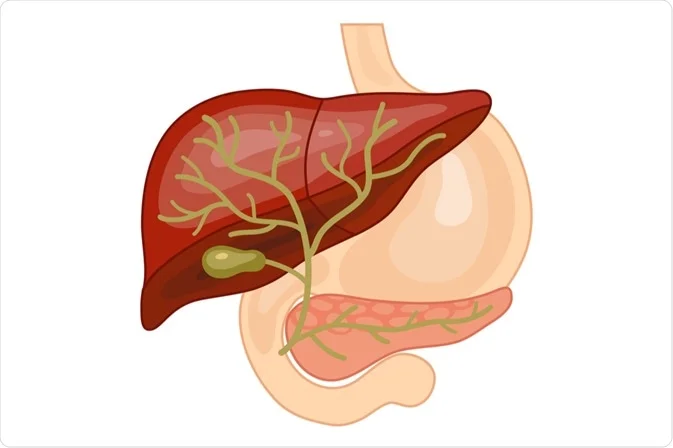
Bile duct cancer, also known as cholangiocarcinoma, is a rare but aggressive cancer that begins in the bile ducts — the channels that carry bile from the liver to the small intestine. It can occur inside the liver (intrahepatic) or outside (extrahepatic). Often diagnosed at an advanced stage due to subtle symptoms, treatment includes surgery, chemotherapy, and targeted therapies. Early detection improves outcomes, especially in individuals with underlying liver or bile duct conditions.

Risk Factors

Common Signs and Symptoms

Diagnosis of Esophageal Cancer

Diagnosing bile duct cancer involves a combination of imaging, lab tests, and sometimes tissue sampling. Ultrasound, CT scans, and MRI/MRCP help visualize the bile ducts and detect abnormalities. Endoscopic procedures like ERCP (Endoscopic Retrograde Cholangiopancreatography) may be used to examine and biopsy suspicious areas. Tumor markers such as CA 19-9 and CEA can support the diagnosis. A definitive diagnosis is confirmed through a biopsy and histopathological examination.

Treatment Options

Surgery

Surgical removal of the tumor offers the best chance for cure, especially in early-stage disease.

Radiation Therapy

Used after surgery or for unresectable tumors to control growth and relieve symptoms.

Chemotherapy

Systemic treatment often used in advanced or inoperable cases to slow progression.

Targeted Therapy and Immunotherapy

For selected patients with specific genetic mutations or markers, offering personalized treatment approaches.

Make An Appointment

Call Now Button