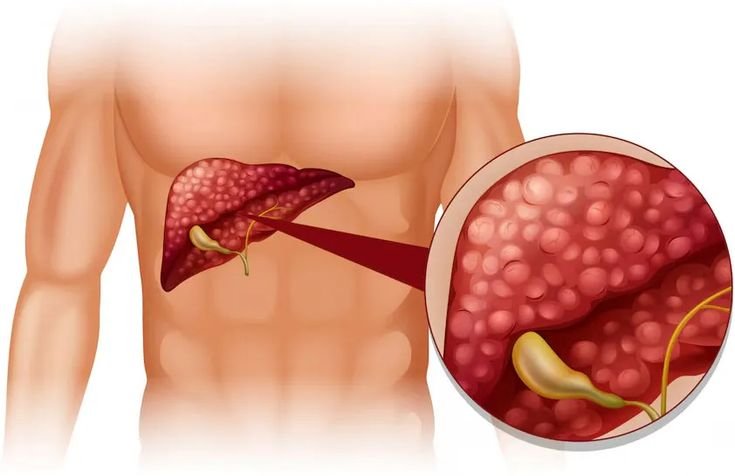
Gallbladder Cancer

About Gallbladder Cancer

Gallbladder cancer is a rare but serious disease that starts in the tissues of the gallbladder, often linked to gallstones or chronic inflammation. It may not cause symptoms in early stages, making early detection difficult. As it progresses, patients may experience pain, jaundice, or digestive issues. Treatment typically includes surgery, chemotherapy, or radiation, depending on the stage and spread of the cancer. Early diagnosis improves the chances of successful treatment.

Risk Factors

Common Signs and Symptoms

Diagnosis of Gallbladder Cancer

Diagnosing gallbladder cancer typically begins with a physical examination and review of symptoms. Imaging tests such as ultrasound, CT scan, or MRI help visualize abnormalities in the gallbladder. A blood test may check liver function and tumor markers. Endoscopic ultrasound (EUS) or ERCP can provide detailed images and allow for tissue sampling. A biopsy confirms the diagnosis by examining cells under a microscope for malignancy. Early diagnosis improves treatment outcomes.

Treatment Options

Surgery

Surgical removal of the gallbladder (cholecystectomy) and surrounding tissues is the primary treatment if the cancer is localized.

Chemotherapy

Used to kill cancer cells, especially in advanced stages or after surgery to reduce recurrence risk.

Radiation Therapy

Helps control cancer spread or relieve symptoms in non-operable cases.

Targeted Therapy & Immunotherapy

Emerging options for advanced or metastatic gallbladder cancer, based on genetic and molecular profiling.

Make An Appointment

Call Now Button