Hiatus Hernia

About Hiatus Hernia

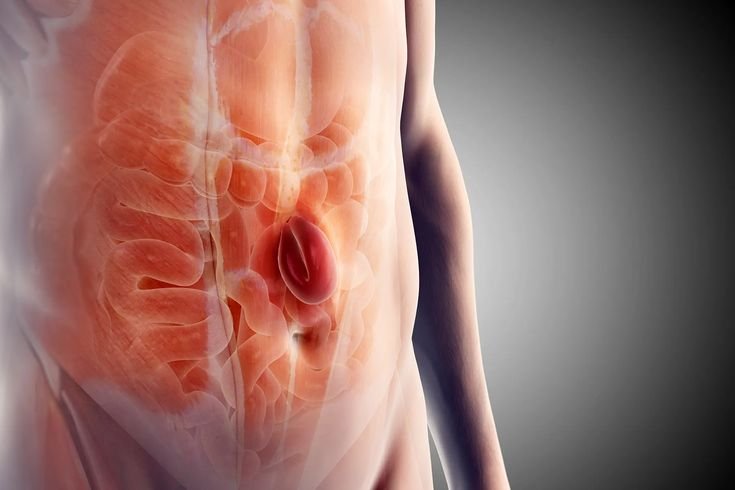
Hiatus hernia occurs when a part of the stomach pushes up through the diaphragm into the chest cavity via the hiatus, an opening for the esophagus. It can cause symptoms like heartburn, acid reflux, and chest discomfort due to stomach acid irritating the esophagus. Hiatus hernias are common, especially in older adults, and are diagnosed through imaging tests like endoscopy or barium swallow. Treatment ranges from lifestyle changes to medications and, in severe cases, surgery.


Risk Factors

Common Signs and Symptoms

Diagnosis of Hiatus Hernia

Diagnosis typically involves imaging and endoscopic tests. A barium swallow X-ray helps visualize the stomach’s position relative to the diaphragm. Upper endoscopy allows direct examination of the esophagus and stomach to check for inflammation or damage. Esophageal manometry may be done to assess esophageal function and sphincter pressure. Sometimes, pH monitoring is used to measure acid reflux severity. These tests together confirm the presence and extent of a hiatus hernia.

Treatment Options

Lifestyle Changes

Avoid heavy meals, eat smaller portions, lose weight, and avoid lying down soon after eating.

Medications

Use antacids, proton pump inhibitors, or H2 blockers to reduce acid reflux and relieve symptoms.

Surgical Repair

In severe or persistent cases, procedures like Nissen fundoplication help restore the normal position of the stomach.

Avoid Triggers

Reduce smoking, alcohol, and foods that worsen reflux symptoms.

Make An Appointment

Call Now Button